



Seagate Exos 7E10 Enterprise Hard Drive – SATA 512e/4Kn FastFormat
ST10000NM017B
Condition: NEW
- Regular price
-
Dhs. 1,825.00 (exc. Vat) - Regular price
-
(exc. Vat) - Sale price
-
Dhs. 1,825.00 (exc. Vat)
-
Hurry, only 7 items left in stock!
Couldn't load pickup availability
Genuine Guarantee
Shop with Confidence: Authentic IT Products from Major Brands.
Shipping information
We offer FREE DELIVERY for order over AED 200. Also no additional Cash on Delivery (COD) fee.
Click here to know more
Returns information
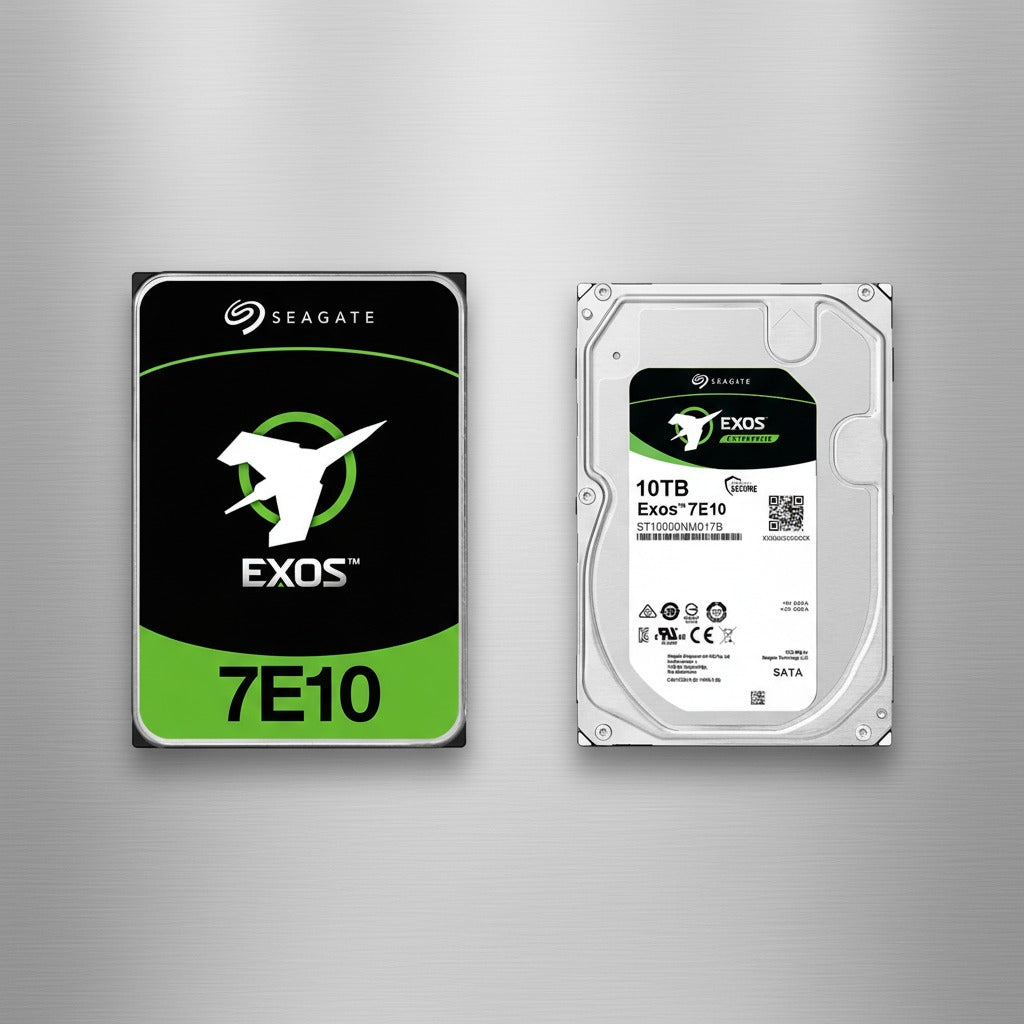
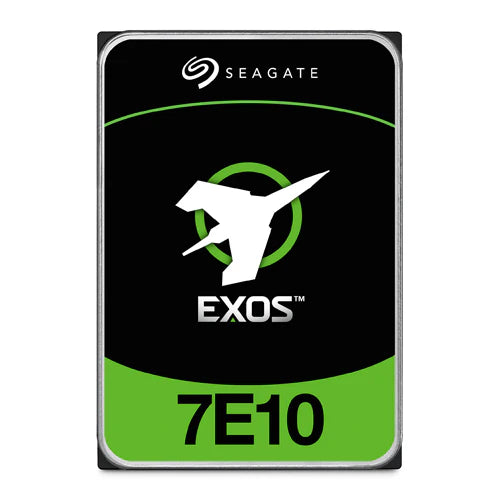
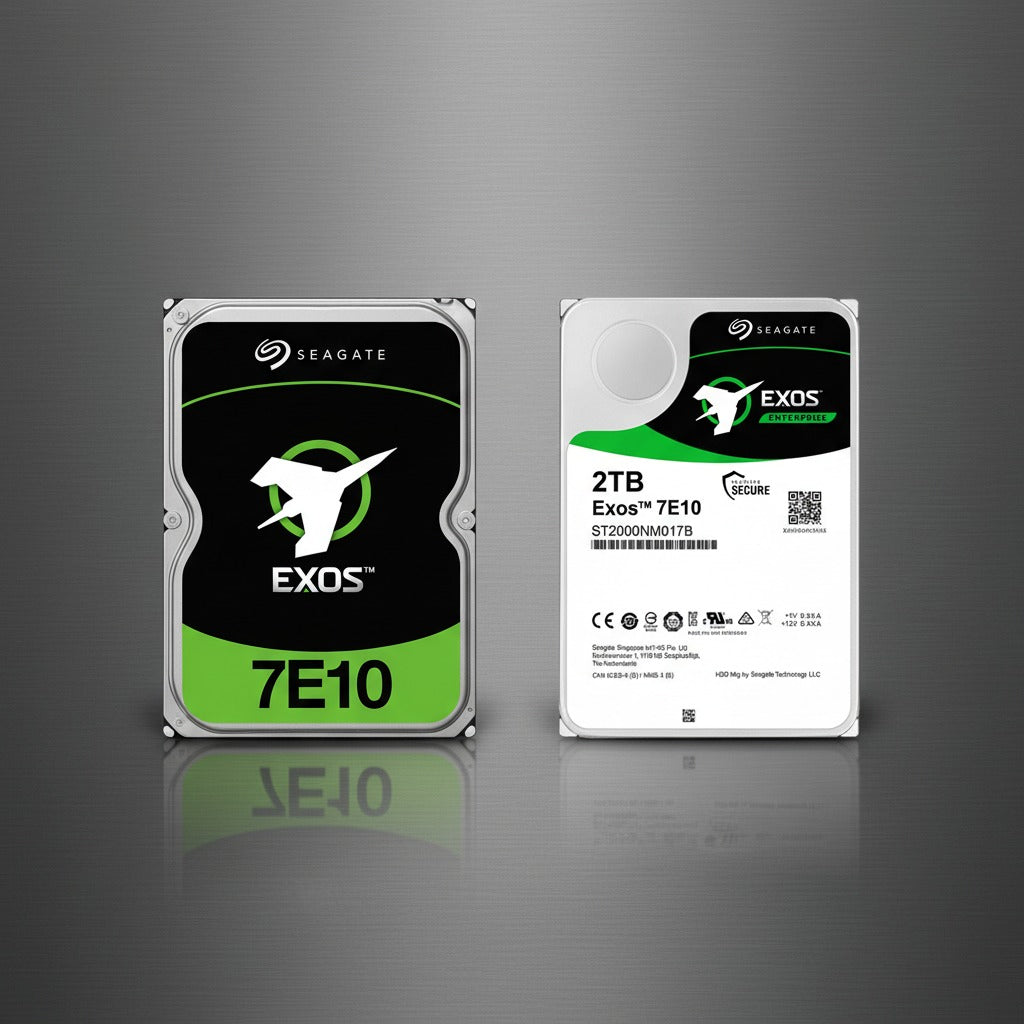
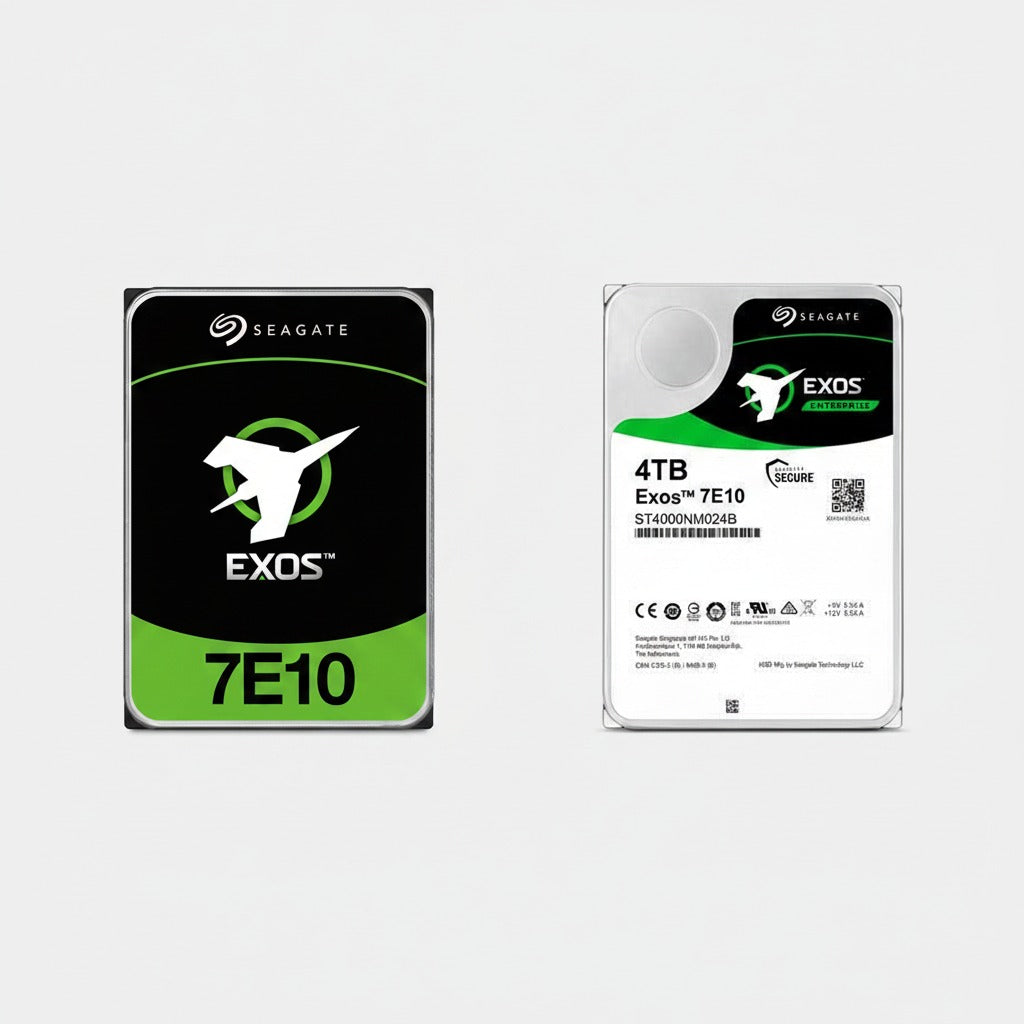
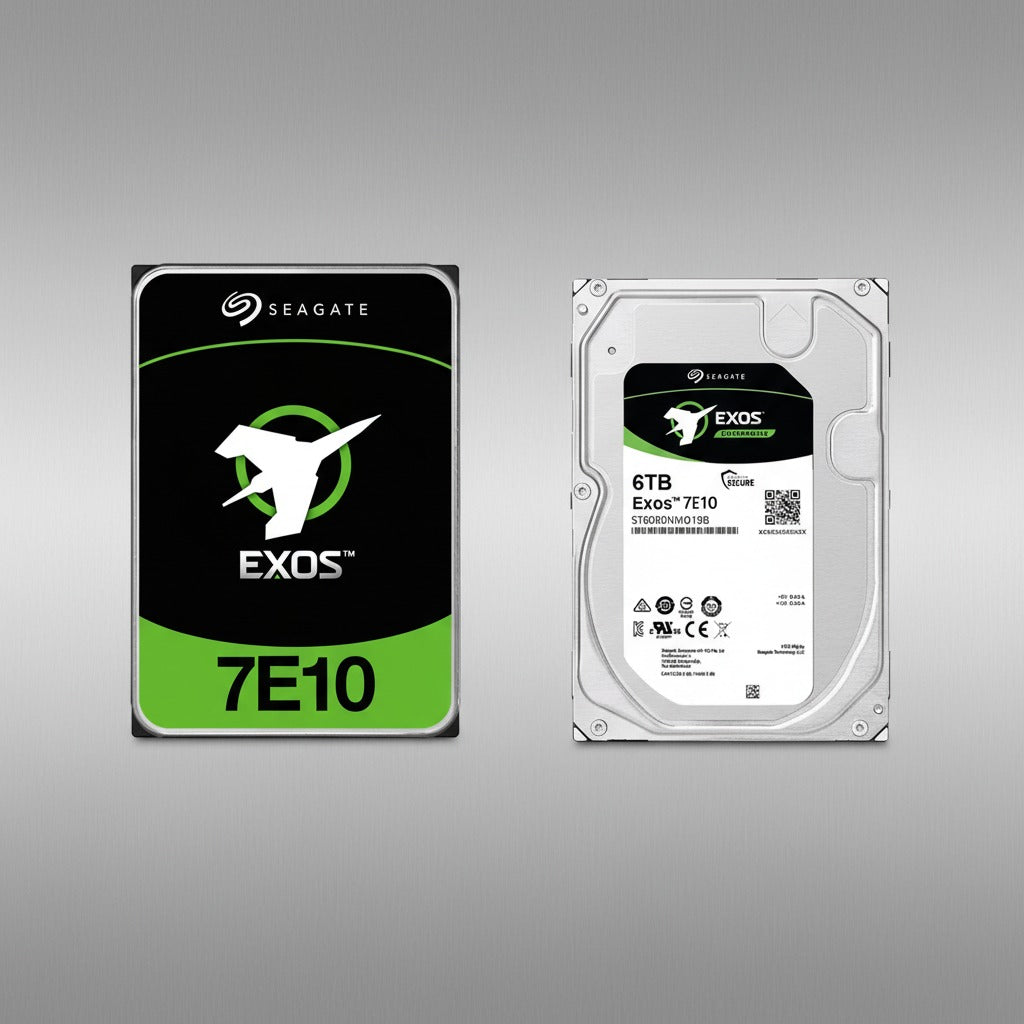
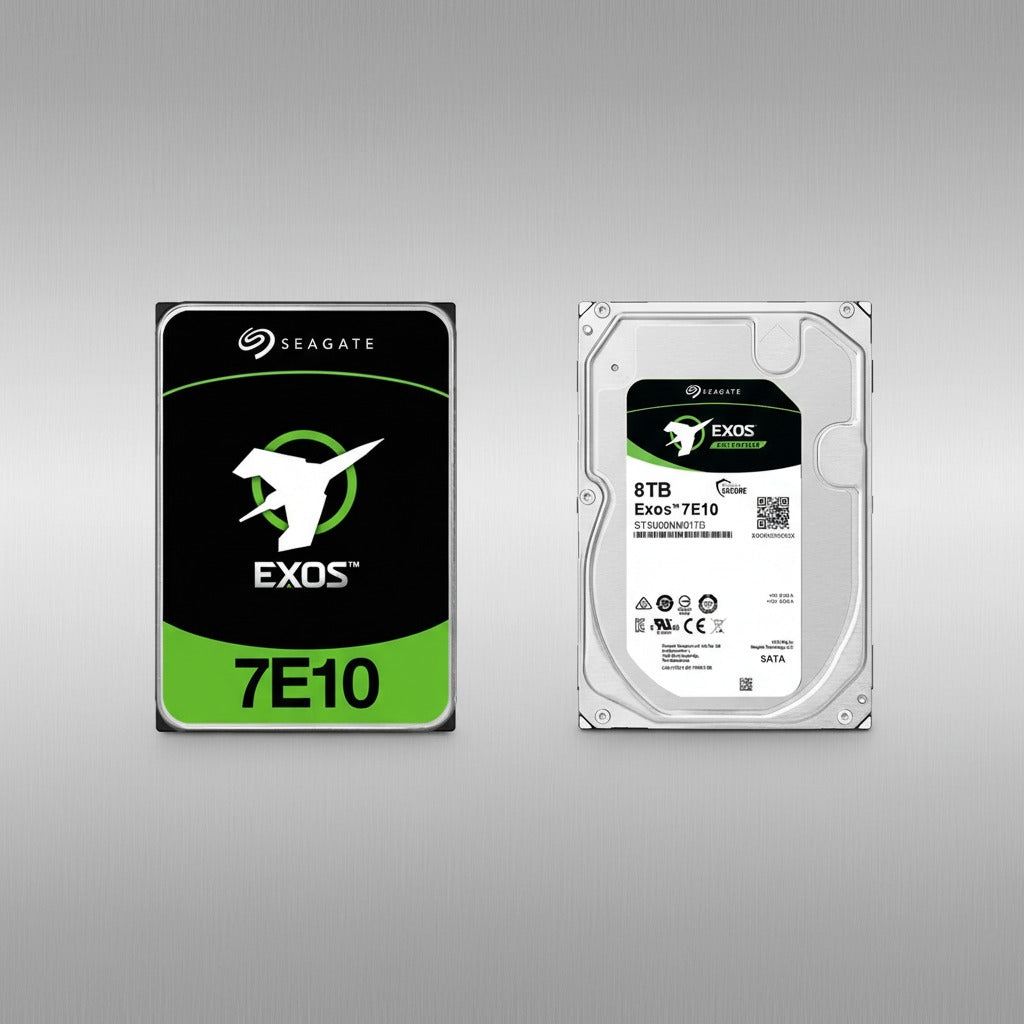
Seagate Exos 7E10 Enterprise Hard Drive – SATA 512e/4Kn FastFormat
The Seagate Exos 7E10 enterprise hard drive confidently stores up to 10TB of data without sacrificing performance. This secure, high-capacity, high-performance drive is optimized for demanding bulk data applications, offering proven reliability and efficiency for 24x7 data center operations.
Quick Glance
Key Features
High Capacity Storage
Offers capacities up to 10TB in a standard 3.5-inch form factor, ideal for space-constrained data centers.
Enterprise-Grade Reliability
Engineered for 24×7 workloads with a 2 million-hour MTBF rating and support for 550TB/year workloads.
Enhanced Caching
Features advanced write caching for a significant boost in random write performance, optimizing response times in demanding applications.
Detailed Specifications
Best For / Customer Benefits
Customer Benefits
- Stores up to 10 TB per drive for massive data capacity in a standard 3.5-inch form factor.
- Engineered for 24x7 workloads with a proven reliability of 2 million-hour MTBF.
- Optimized for dense, multi-drive architectures with low power consumption and weight.
- Advanced write caching for a significant boost in random write performance.
- Simplified data center integration with FastFormat™ feature for both 512e and 4Kn formats.
- Available with Seagate Secure™ features for robust data protection.

Best For
Downloads
Frequently Asked Questions
FastFormat allows a single drive model to support both 512-byte emulation (512e) and 4K native (4Kn) sector formats, providing flexibility for integration into legacy and modern data center infrastructures.
The Exos 7E10 is rated for up to 550TB per year, making it suitable for demanding 24x7 enterprise environments.
The Exos 7E10 has a robust MTBF rating of 2 million hours, indicating high reliability for enterprise use.
While technically compatible, this is an enterprise-grade drive designed for 24x7 operation in servers and data centers. It is optimized for reliability and performance in multi-drive environments, which may not be necessary for typical desktop use.